-
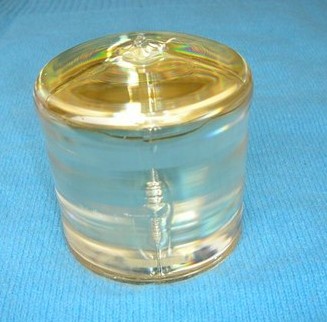
Lithium Tantalate Crystal and Its Application – 13
Conclusion Lithium tantalate material has a large pyroelectric coefficient, high Curie temperature, small dielectric loss factor, low heat melt per unit volume, small relative dielectric constant, and stable performance. It is a good ferroelectric and piezoelectric material. It also has extraord...Read more -
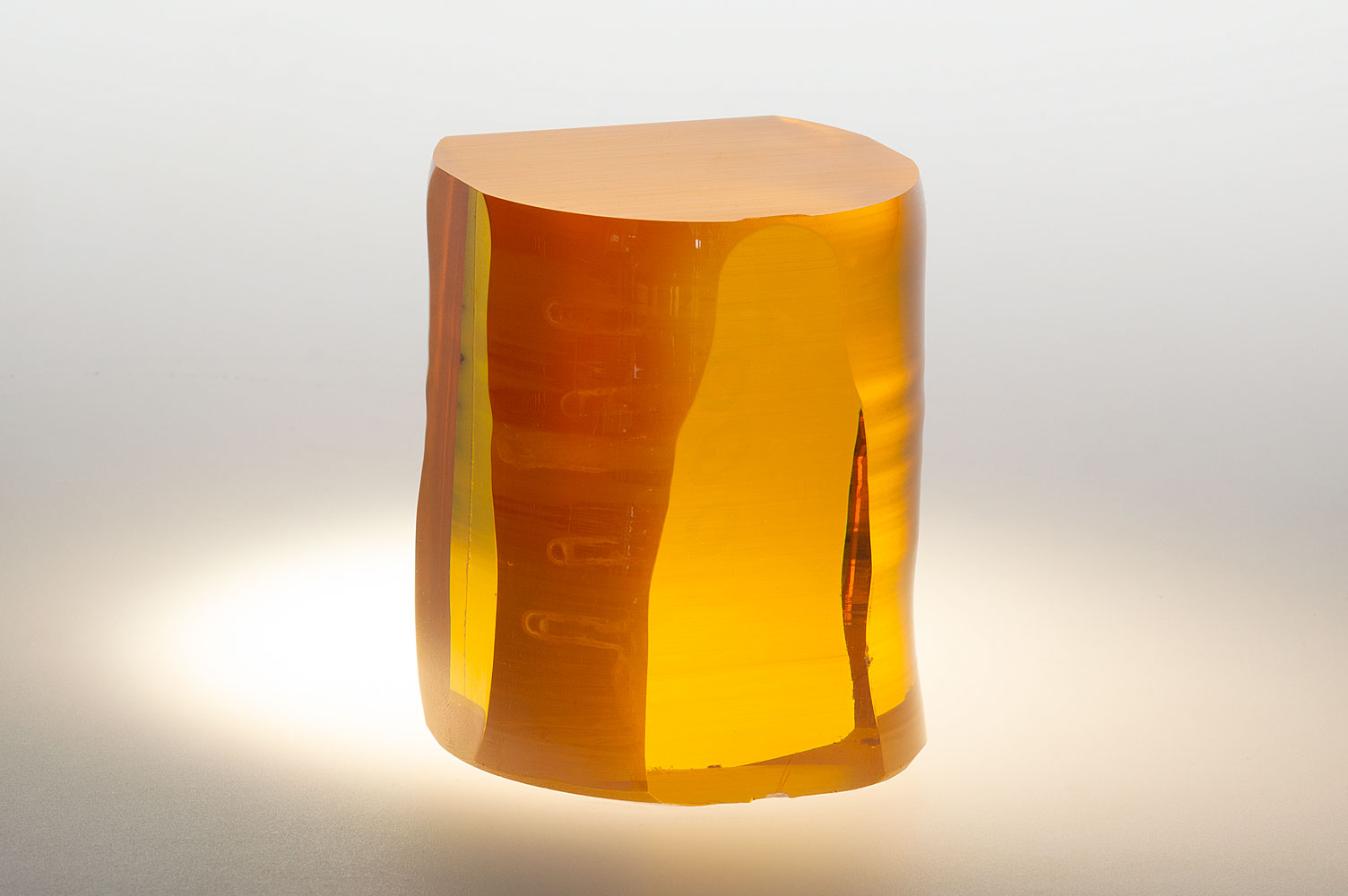
Lithium Tantalate Crystal and Its Application – 12
3 The main application of lithium tantalate crystal 3.4 Pyroelectric detector To detect targets, pyroelectric detectors generally exchange heat with the outside environment through three methods: thermal convection, thermal conduction and thermal radiation. The working principle is: electrons are...Read more -
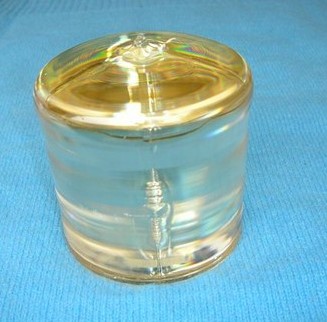
Lithium Tantalate Crystal and Its Application – 11
3 The main application of lithium tantalate crystal 3.3 E-O Q-Switch The basis of laser Q-switched technology is a special optical component - a fast intracavity optical switch generally called Q-switch. The Q value is an indicator for evaluating the quality of the optical resonant cavity. The hi...Read more -
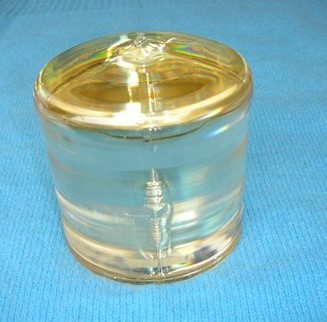
Lithium Tantalate Crystal and Its Application – 10
3 The main application of lithium tantalate crystal 3.2 Oscillator An oscillator is an energy conversion device that converts DC power into AC power with a certain frequency. This circuit is called an oscillation circuit. The oscillator achieves free oscillation through the mutual conversion betw...Read more -

WISOPTIC will take part in the APE(Asia Photonics Expo)2024
The Asia Photonics Expo (APE) is a holistic photonics platform for branding and business connection, focusing on the latest cutting-edge innovative technologies and the emerging application markets in Asia, aiming to promote the in-depth communication and business collaboration between photonics ...Read more -
Lithium Tantalate Crystal and Its Application – 09
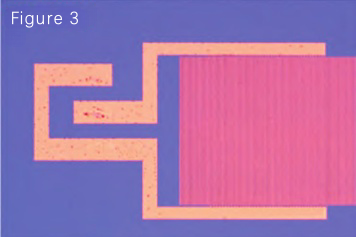
3 The main application of lithium tantalate crystal 3.1 SAW Wave filter Yang Qing-rui and others designed a resonator SAW filter using LiTaO3/SiO2/Si substrate. Figures 3 and 4 are optical photos of the device and partial scanning electron microscopy pictures of the device respectively. The inter...Read more -
Lithium Tantalate Crystal and Its Application – 08
3 The main application of lithium tantalate crystal 3.1 SAW Wave filter Peng et al. used ion etching to process lithium tantalate (LT) crystals to obtain a high fundamental frequency crystal resonator. They used this crystal resonator to design a high-frequency broadband filter, which improved th...Read more -
Lithium Tantalate Crystal and Its Application – 07
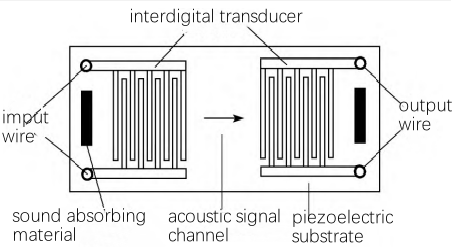
3 The main application of lithium tantalate crystal 3.1 SAW Wave filter There are many studies on filters in SAW devices. Wave filters have the advantages of low transmission loss, high reliability, great manufacturing flexibility, analog/digital compatibility, excellent frequency selection chara...Read more -
Lithium Tantalate Crystal and Its Application – 06
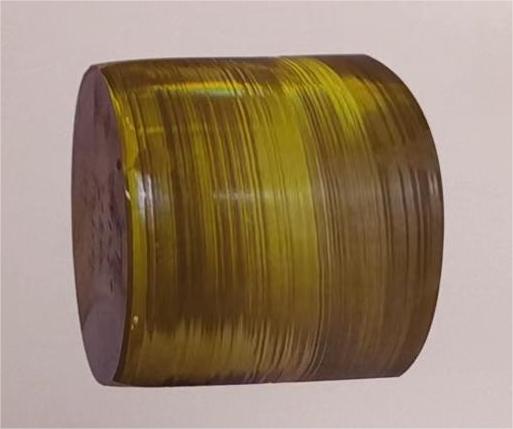
2.3 Lithium tantalate single crystal film After the 1980s, thin film preparation technology has developed rapidly. Currently, the commonly used preparation technologies of lithium tantalate single crystal (www.wisoptic.com) thin film mainly include chemical vapor deposition, physical vapor deposi...Read more -
Lithium Tantalate Crystal and Its Application – 05
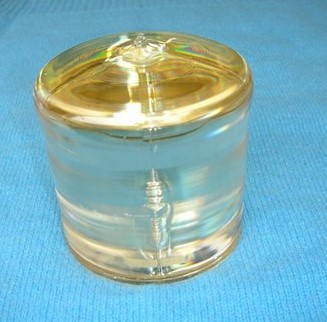
2.2 Fabrication of lithium tantalate crystal with near stoichiometric ratio The preparation of near-stoichiometric lithium tantalate (NSLT) crystals is difficult. The current methods mainly include: the double crucible method, the flux pulling method, the float zone method and the gas phase excha...Read more -
Lithium Tantalate Crystal and Its Application – 04
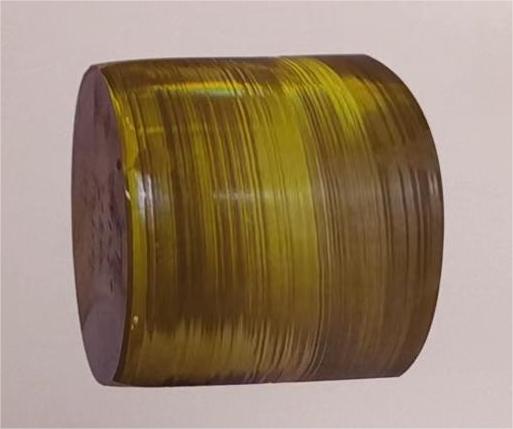
2. Fabrication of Lithium Tantalate Crystal 2.1 Fabrication of same composition lithium tantalate crystal The same composition Lithium tantalate (CLT) crystals are often fabricated by mixing high-purity tantalum pentoxide with high-purity lithium carbonate at a stoichiometric ratio of 0.95:1 (mol...Read more -
Lithium Tantalate Crystal and Its Application – 03
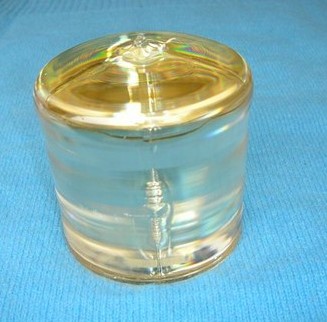
1.3 Doping of Lithium Tantalate Crystal Different fields have different requirements for the properties of lithium tantalate crystals. When being used to prepare high-density and large-capacity holographic information storage devices, LiTaO3 crystals need to have excellent photorefractive propert...Read more